Day: October 11, 2025

The 7 Most Successful Online Casino Companies In RegionThe 7 Most Successful Online Casino Companies In Region

Whether gambling online is really a serious pastime for you or a casual hobby, choosing between your hundreds of online casinos available online today can be rather intimidating. In the end, every online gamer has their own personality, likes, dislikes and preferred games. Just as every player is different, so can be online casinos. Below are the basics to consider when doing your research for an online casino that may meet your gambling needs and some.

It’s All About the Games

When it comes to online casinos, I come to play and I play to win. But first of all, I come to play. Which means that you’re not going to stick around playing a game you don’t enjoy. Even though you play a game common to all or any casinos like poker, if the interface is weak you are all but guaranteed to make a fast “exit.”

Because online casinos only feature games where wagers are involved, you might think your choices are limited, nevertheless, you couldn’t be farther from the truth. Many companies pride themselves on thinking beyond your box and offering new and innovative games that improve the bar when it comes to graphics, sound and playability.

It is a good notion to get an idea which online casinos carry games that you are interested in playing. Companies like Rival and Cryptologic are simply two of the many top online casino software providers that push the envelope with every game they put out.

Also know that each software provider has their own style. Rival, as I mentioned above, has stellar games, but will cater to the younger crowd of online casino players. They focus more on graphics and games that interest “video gamers” more than other people. Where as Cryptologic has a knack for taking classic games and making them fresh and exciting again.

Banking Features

Naturally people when playing online, one really wants to make sure that they are able to access their money as quickly and conveniently as you possibly can. Most online casinos offer simple depositing processes whereby you deposit money into an account for use within that one online casino. Still, not every casino operates the same way. RTG and Playtech incorporate their own software methods to manage money while Cryptologic uses “Ecash.”

Look for Peer Reviews

An online casino will let you know anything and everything to make you gamble at their online casino. Can you blame them? They want to make money. It is in their best interest to market their online casino because the biggest and the best. Therefore, your best bet on researching an online casino is to seek out customer reviews on gambling review websites.

Online gamers are passionate concerning the casinos they love and venomous towards those they hate. Before spending a dime, it behooves one to read some reviews and take advantage of the experience of others. There are so many sites out there offering top-notch, alternative party reviews of online casinos. Despite the fact that you’ll be gambling at the casino, it is best not to gamble on a casino.

Beware of SUBSCRIBE Bonuses

Sign up bonuses as far as I’m concerned will be the candy that a shady stranger uses to lure a kid into a van. They say nothing for the web casino’s game-play or customer service. I shall use another simile. They’re like an ad incentive from the car dealership put out there to draw suckers in to the clutches of salesman. Bottom line, almost always there is a catch. In the above scenarios you either get kidnapped or have the old “switcharoo” pulled on you and end up paying a lot more than you wanted for an automobile.

Online casinos are no different. Often the sign up bonus will offer you some exorbitant level of free money. That’s what it says on the surface. But what they don’t tell you is that if you need that money to repay, you will have to pay a far more exorbitant amount in wagers and soon you meet your minimum that enables you to cash out…should you have any winnings that is.

Are You a Mac or a PC?

Whilst every online casino is PC friendly, the same cannot be said for Macintosh computers. However, online casino bosses aren’t blind and many have developed platforms that are appropriate for both PC and the rising number of Mac users. So if you’re on a Mac, your choice is fairly limited. If you are on a PC, the online casino world is your oyster.

ECOGRA Certified Casinos

There are many of third-party online casino watchdogs on the market, all of them monitoring the casinos to see that they are playing fair. Probably the most trusted of these all is eCogra (short for eCommerce Online Gaming Regulation and Assurance). There is absolutely no way to make sure that any online casino is completely fair 100% of that time period. However, seeing that a casino is certified by eCogra is the greatest way to know that play is as fair as possible.

There are other names out there, but none as universally trusted as eCogra. While others may certainly do their job together with if not better than eCogra, their reputation is obviously strongest. In theory, anyone could take up a watchdog company and create a seal. By going with an eCogra certified casino, you understand that they stake their reputation on the truth that your gaming experience is a fair one.

Know the Law

Even though it must not be, online gambling is largely prohibited in many places, america included. In those places where it is legal, it really is highly regulated. Therefore, whether online gambling is legal in your area or not, you should know the law before you start spending. An online casino allowing you access does not indicate that their services are legal what your location is.

It is difficult for governments to regulate the internet and often the player may be the one at risk. If your funds are seized, the casino has their money already since it is legal for some casinos to simply accept deposits. So prior to making a deposit, consider online rdtoto laws specific to your geographical area for a hassle-free gaming experience.

The Vital Role of the SIM Card: Connecting the World in the Palm of Your HandThe Vital Role of the SIM Card: Connecting the World in the Palm of Your Hand

In the age of smartphones, mobile apps, and constant connectivity, we often overlook the small but crucial component that makes it all possible: the SIM card. The Subscriber Identity Module card, a tiny chip inserted into mobile devices, serves as the gateway to accessing cellular networks, enabling us to make calls, send messages, and use data. Despite its size, the SIM card is the backbone of mobile communication, playing a significant role in enabling global connectivity.

In this article, we will delve into the importance of SIM cards, how they work, their evolution, and what the future holds for this unassuming but indispensable piece of technology.

What Is a SIM Card?

A SIM card is a small, removable chip that stores the essential data needed to access a mobile network. The chip is inserted into mobile phones, tablets, smartwatches, and other connected devices. It acts as the digital "identity card" of the user, enabling the device to connect to a network and provide a range of mobile services, from voice calls and text messages to internet browsing and data exchange.

The SIM card stores a variety of information, including:

  • Subscriber Identity: A unique IMSI (International Mobile Subscriber Identity) is stored on the SIM card, which is used to identify and authenticate users on a mobile network.
  • Network Information: The SIM card contains the information needed to connect your device to the correct mobile network and access services.
  • Encryption Keys: To protect user privacy, the SIM card stores encryption keys that safeguard the communication between the mobile device and the carrier network.

In essence, the SIM card enables your device to communicate with your mobile carrier’s infrastructure and is the critical link between your phone and the broader mobile network.

How SIM Cards Work

The SIM card performs several important functions that make it essential for mobile communication:

  1. Authentication: The SIM card helps the network identify and authenticate the user when the device connects to a mobile carrier’s system. Each SIM card is uniquely linked to a subscriber's account, ensuring that only authorized users have access to the services.

  2. Connection to the Mobile Network: When you turn on your device, the SIM card communicates with the mobile network to establish a connection. This allows the phone to make calls, send text messages, and use mobile data. The SIM card essentially acts as the gateway to accessing network services.

  3. Security: One of the most important roles of a SIM card is to protect user data. The SIM card uses encryption keys to secure voice calls, text messages, and data. This encryption prevents third parties from intercepting communications, ensuring that sensitive information remains private.

  4. Roaming: When traveling internationally, the SIM card enables you to use your device in different countries by swapping out the current 香港電話卡 with a local one. This allows you to access more affordable local services while maintaining connectivity.

The Evolution of SIM Cards

Since their introduction in the early 1990s, SIM cards have undergone a significant transformation. From their large, bulky beginnings to their current compact and efficient design, SIM cards have adapted to the changing needs of mobile technology. Here is a look at the evolution of SIM cards:

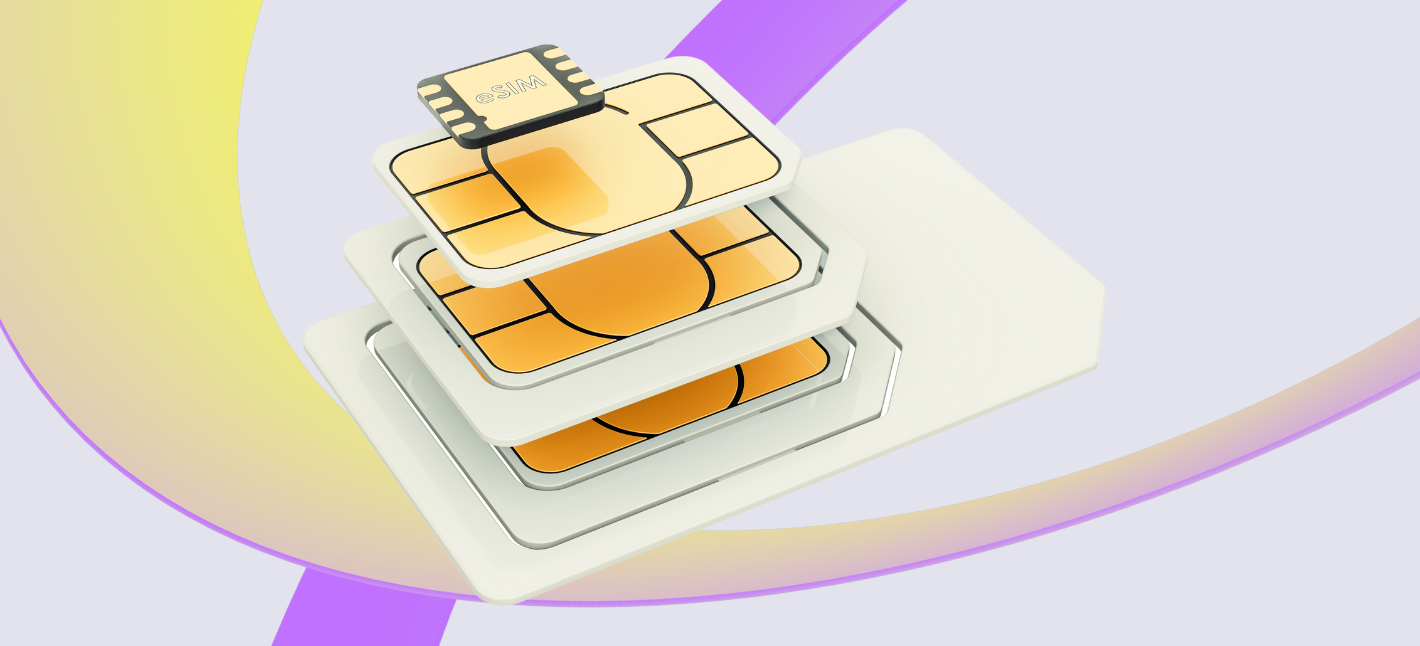
  1. Standard SIM: The original SIM card, measuring 25mm x 15mm, was the first iteration introduced with GSM (Global System for Mobile Communications) networks. It was the standard size for mobile phones for many years but eventually became outdated as phones became smaller and more compact.

  2. Micro SIM: In 2003, the micro SIM was introduced, measuring 15mm x 12mm. This smaller version of the SIM card became popular with smartphones like the iPhone 4, which required a more compact card to fit into the slimmer design.

  3. Nano SIM: The nano SIM, introduced in 2012, is the smallest SIM card available today, measuring just 12.3mm x 8.8mm. The nano SIM is now the standard for most smartphones, allowing manufacturers to design even slimmer and more compact devices without sacrificing functionality.

  4. eSIM: The latest evolution in SIM technology is the eSIM (embedded SIM). Unlike traditional SIM cards, eSIMs are integrated directly into the device’s hardware and are not removable. eSIM technology allows users to activate and switch between mobile carriers and plans digitally, without the need to swap out physical cards. This innovation is paving the way for future devices, including wearables, connected cars, and more.

Why Are SIM Cards So Important?

Though small in size, the SIM card is essential to modern mobile connectivity. Here’s why SIM cards continue to be critical:

  1. Global Mobility: One of the main advantages of SIM cards is that they make it easy to stay connected while traveling. With a SIM card, users can access mobile networks across the globe, either by using international roaming services or by swapping to a local SIM card for cheaper rates. This ability to access affordable local services ensures that users stay connected no matter where they are.

  2. Device Flexibility: SIM cards make it simple to transfer your mobile service from one device to another. If you upgrade your phone, simply move your SIM card to the new device, and your number, contacts, and service plan travel with you. This portability allows for seamless transitions between devices.

  3. Security: The SIM card also enhances security. By using encryption to secure communications, SIM cards prevent unauthorized parties from accessing your voice calls, text messages, or internet data. If your phone is lost or stolen, you can lock the SIM with a PIN code to ensure that others cannot access your information.

  4. Dual SIM Capability: Many modern smartphones come with dual SIM functionality, which allows users to insert two SIM cards in one device. This is especially useful for people who want to separate work and personal numbers or for frequent travelers who wish to keep a local SIM card while maintaining their home number.

The Future of SIM Cards: The Rise of eSIM Technology

The next frontier in SIM card technology is the eSIM, which is gradually replacing traditional SIM cards in newer devices. eSIM technology offers a variety of advantages over its physical counterparts:

  1. Remote Activation: One of the key benefits of eSIM is that it allows users to activate their mobile plans remotely, without needing to insert a physical SIM card. This makes switching carriers and plans easier than ever before, especially for international travelers or those who want to manage multiple plans on the same device.

  2. Space Efficiency: Because eSIMs are embedded directly into devices, they take up less space than traditional SIM cards. This allows manufacturers to create smaller, sleeker devices with more room for other features, such as additional sensors or larger batteries.

  3. Multiple Profiles: eSIM technology allows users to store multiple mobile carrier profiles on a single device. This feature is ideal for people who travel internationally and want to switch between different carriers or data plans without having to swap physical SIM cards.

  4. IoT Integration: As the Internet of Things (IoT) continues to expand, eSIMs are becoming increasingly important. Connected devices, such as wearables, smart appliances, and even cars, are all adopting eSIM technology to streamline connectivity and reduce the need for physical SIM cards.

Conclusion

The SIM card may seem like a small and simple piece of technology, but its impact on global communication cannot be overstated. As the gateway to mobile networks, SIM cards enable everything from basic phone calls to internet browsing and secure data transmission. Over the years, SIM cards have evolved to meet the demands of modern mobile technology, with the advent of eSIM technology set to redefine how we connect to mobile networks in the future.

The Fun And Safe World Of Springy CastlesThe Fun And Safe World Of Springy Castles

Bouncy castles, also known as bounce houses or moonwalks, have become a staple fibre in children’s parties and events. These expansive structures offer hours of fun and amusement for young ones to jump, resile, and slide by on. However, there’s more to them than just being a seed of joy. Bouncy castles also have many benefits for kids, making them a popular choice among parents and event organizers.

One of the primary reasons why lively castles are preferred by both kids and adults is because they are improbably fun. Children love to jump around and recoil off the walls, while adults can join in on the fun and memories by watching their little ones play. Bouncy castles come in various sizes, designs, and colors, making them visually magnetic and appealing to children’s imaginations. They can be changed into a magical castle, a highjack ship, or a hobo camp stake, making it an stimulating undergo for kids to let their imaginations run wild.

Aside from providing infinite amusement, resilient castles also volunteer natural science benefits for children. As they jump and bound, they are also attractive in natural science action and burning off energy. This helps in development their motor skills, up their balance and coordination, and strengthening their muscles. It also promotes an active life-style and encourages children to be more physically active voice, which is crucial in today’s world where inordinate screen time is prevalent.

Unlike other forms of natural science natural action, resilient castles are low-impact and appease on a child’s body. The inflatable structure absorbs traumatize, reducing try on their joints and muscles, qualification it a safe and gratifying form of exercise for them. It is also an first-class way for children to unfreeze pent-up energy and unbosom stress, going away them touch happier and more relaxed after a bouncy castle session.

Safety is a significant refer for parents when it comes to their children’s playday. Fortunately, live castles have many safety features in direct to assure a worry-free undergo. The inflatable structure has soft walls and floors that soften falls and collisions, significantly reducing the risk of combat injury. It also has procure netting around the sides to prevent kids from falling off. Some resilient castles even have an anchor system of rules to keep the social organization in place, ensuring that it doesn’t tip over or .

Furthermore, lively castles are made with high-quality materials that are serviceable and hardline to hold out the constant jumping and playacting of children. They are also regularly inspected and maintained, ensuring that they are in good and safe for use. Event organizers also have professionals overseeing the resilient , ensuring that refuge protocols are in target and that children are playacting in a controlled environment.

Another vantage of resilient castles is that they are suitable for children of all ages. Whether it’s a yearling or a young teen, lively castles offer a broad-brimmed straddle of activities that to different age groups. Smaller ones can jumping and performin in the open quad, while experient kids can take on the challenges of climb walls and going down slides. It also encourages children of different ages to play together, promoting teamwork and social interaction.

In addition to parties and events, bounce house rentals in monmouth county nj castles have also become a pop pick for fundraisers and Polymonium caeruleum van-bruntiae events. Many companies offer renting services for lively castles, and a assign of their gross sales can go towards a Polemonium caeruleum or cause. This not only adds an of fun to the event but also allows children to put up to a good cause, promoting a sense of mixer responsibility from a young age.

In termination, bouncy castles offer a 10000 of benefits for children, from endless amusement and natural science action to safety and social fundamental interaction. It is an exciting and safe way for children to play and instruct, qualification it a popular pick for parents and organizers. As applied science continues to advance and screen time increases, springy castles volunteer a novel and enjoyable wear out for children to be kids, springy and untroubled.

Customized Tees: The Ultimate Guide to Designing Your Perfect T-ShirtCustomized Tees: The Ultimate Guide to Designing Your Perfect T-Shirt

Customized t-shirts have revolutionized the fashion industry, offering a unique way to express creativity, promote brands, and commemorate special events. Whether you want a custom tee for personal use, business branding, or a special occasion, the possibilities are endless. In this guide, we explore everything you need to know about customized tees, from design inspiration to printing techniques.

Why Customized Tees Are a Game-Changer

1. Personal Expression Through Fashion

Custom t-shirts provide a powerful way to showcase individuality. Whether you’re an artist, a designer, or simply someone who loves unique fashion, a personalized tee lets you stand out.

2. Branding and Promotional Power

Businesses leverage custom tees as cost-effective marketing tools. A well-designed t-shirt with a company logo or slogan creates brand recognition and serves as a walking advertisement.

3. Ideal for Group Events and Celebrations

From family reunions to corporate retreats, matching custom t-shirts enhance group spirit and create memorable experiences.

4. Growing Popularity in E-Commerce

With the rise of print-on-demand services, selling soc tee 訂制 t-shirts online has become a profitable business model. Entrepreneurs can design and sell custom tees without holding inventory.

Step-by-Step Guide to Designing the Perfect Customized Tee

1. Selecting the Right Fabric

Fabric choice determines the comfort, durability, and printing quality of a custom t-shirt. Here are the most popular options:

  • 100% Cotton – Soft, breathable, and comfortable for everyday wear.

  • Polyester – Lightweight and moisture-wicking, ideal for athletic wear.

  • Cotton-Polyester Blends – A combination of comfort and durability.

  • Organic Fabrics – Eco-friendly choices for sustainable fashion.

2. Choosing the Best Fit and Style

The right fit enhances the overall appeal of a customized tee. Common styles include:

  • Regular Fit – Classic, comfortable, and suitable for all occasions.

  • Slim Fit – A modern, tailored look for a sleek appearance.

  • Oversized Fit – Trendy and relaxed, perfect for streetwear fashion.

  • V-Neck & Crew Neck – Choose based on personal preference and occasion.

3. Crafting the Perfect Design

A great design sets your custom tee apart. Consider these design elements:

  • Typography & Slogans – Bold, stylish fonts make a statement.

  • Logos & Graphics – Add unique artwork, illustrations, or company logos.

  • Color Selection – Use contrasting colors for better visibility.

  • Print Placement – Decide between front, back, sleeve, or full coverage.

4. Choosing the Best Printing Technique

Different printing techniques affect design quality, durability, and cost:

  • Screen Printing – Ideal for bulk orders with high durability.

  • Direct-to-Garment (DTG) Printing – Great for detailed and colorful designs.

  • Heat Transfer Printing – Cost-effective and suitable for one-time designs.

  • Sublimation Printing – Best for all-over prints on polyester fabrics.

  • Embroidery – Adds texture and premium quality to logos and branding.

Where to Order High-Quality Customized Tees

Several online platforms make ordering custom t-shirts quick and easy:

  • Printful – Perfect for e-commerce integration.

  • TeeSpring – Ideal for independent designers and influencers.

  • Custom Ink – Great for team orders and corporate branding.

  • Redbubble – A marketplace for unique artist-designed tees.

How Businesses Benefit from Customized T-Shirts

1. Boosting Brand Awareness

A custom t-shirt turns customers and employees into brand ambassadors, increasing visibility and recognition.

2. Professional and Unified Look

Branded t-shirts serve as team uniforms, enhancing professionalism and unity.

2. Branding and Promotional Power

0

Offering promotional t-shirts strengthens customer relationships and fosters brand loyalty.

Customized Tees for Special Occasions

2. Branding and Promotional Power

1

Custom t-shirts make thoughtful gifts for birthdays, anniversaries, and special milestones.

2. Branding and Promotional Power

2

Matching t-shirts create fun and lasting memories for weddings and family gatherings.

2. Branding and Promotional Power

3

Custom jerseys and team t-shirts build team spirit and camaraderie in sports clubs.

Sustainable Custom Tees: A Step Toward Eco-Friendly Fashion

With growing awareness of sustainability, many brands now offer:

  • Organic Cotton & Recycled Materials – Reducing environmental impact.

  • Water-Based Inks – Eco-friendly printing for minimal waste.

  • Biodegradable Packaging – Lowering plastic use in shipping.

Conclusion

Customized t-shirts are more than just fashion—they are a powerful tool for expression, branding, and sustainability. Whether you’re designing for personal use, business marketing, or a special event, the right fabric, fit, design, and printing technique will ensure the best results.

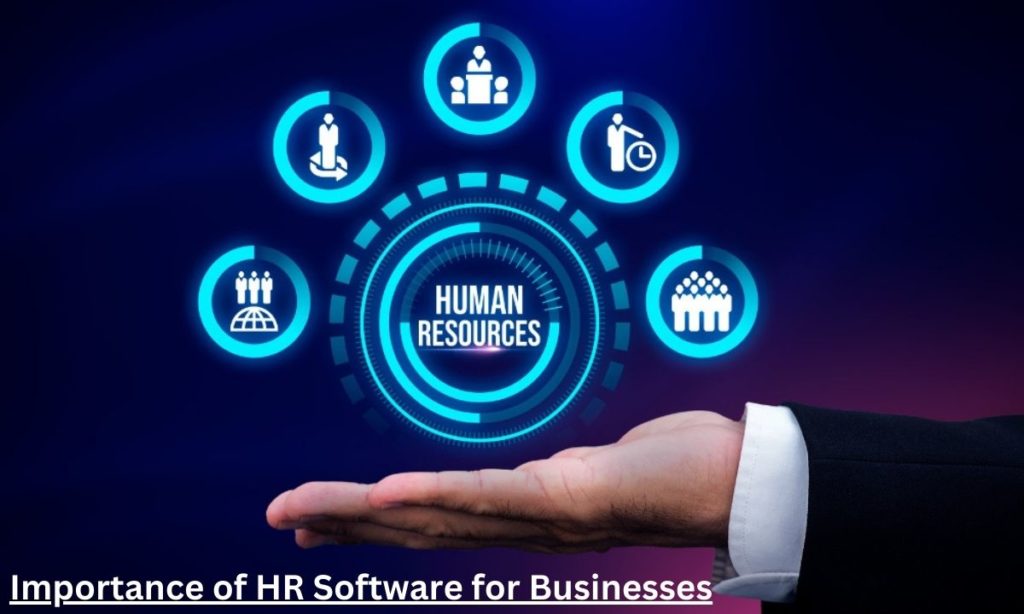
The Impact of HR Systems on Workforce Productivity and Organizational EfficiencyThe Impact of HR Systems on Workforce Productivity and Organizational Efficiency

In today’s fast-paced and technology-driven business world, organizations must prioritize efficiency and productivity to stay competitive. One of the key enablers of operational efficiency and workforce productivity is the effective management of human resources (HR). Human Resource (HR) systems, often referred to as Human Resource Management Systems (HRMS) or Human Resource Information Systems (HRIS), have emerged as critical tools for organizations looking to streamline their HR processes and optimize workforce performance.

This article delves into the impact of HR systems on workforce productivity and organizational efficiency, exploring how automation, data-driven insights, and streamlined processes contribute to a more productive and efficient workplace.

What Are HR Systems?

An HR system is a software solution that automates and integrates a variety of HR functions. These functions often include talent acquisition, payroll, performance management, employee data management, learning and development, benefits administration, and time and attendance tracking. The primary goal of HR systems is to reduce manual HR tasks, improve operational efficiency, and provide HR departments with valuable insights to enhance decision-making. By centralizing and automating HR processes, these systems allow businesses to allocate resources more effectively and boost productivity across the organization.

How HR Systems Enhance Workforce Productivity

Productivity is one of the most important indicators of organizational success. A highly productive workforce drives better business outcomes, increased profitability, and overall growth. HR systems play a pivotal role in boosting workforce productivity in the following ways:

1. Automation of Routine Tasks

HR systems automate many administrative and time-consuming tasks that were traditionally handled manually by HR departments. Functions such as payroll processing, benefits administration, time-off requests, and employee data management can all be streamlined using HR software.

By automating these tasks, HR departments are free to focus on more strategic activities, such as employee development, recruitment, and engagement initiatives. Employees also benefit from automation, as they can access self-service portals to manage their personal information, track benefits, and submit requests for time off without having to go through HR personnel. This reduction in administrative tasks allows employees to focus on their core responsibilities, leading to improved productivity.

2. Faster Recruitment and Onboarding

HR systems are equipped with Applicant Tracking Systems (ATS) that help organizations streamline the recruitment process. ATS software allows businesses to post job openings across multiple platforms, track candidate applications, and manage the entire hiring pipeline more efficiently. With features like resume parsing and candidate ranking, HR systems help HR teams identify the best-fit candidates quickly and effectively.

Once new employees are hired, HR systems also facilitate the onboarding process. Onboarding workflows, document submission, training modules, and role-specific introductions can all be automated through the HR system, reducing the time it takes to integrate new hires into the organization. A seamless and efficient onboarding experience not only helps new employees get up to speed faster but also contributes to higher retention rates and long-term productivity.

3. Real-Time Performance Monitoring and Feedback

Effective performance management is crucial for maintaining a productive workforce. Traditional annual performance reviews are often seen as inadequate for providing timely feedback. HR systems, however, enable continuous performance tracking through regular check-ins, feedback loops, and performance evaluations.

By using HR systems to monitor employee performance in real time, managers can identify areas where employees excel and where improvement is needed. Continuous feedback ensures that employees are constantly learning and growing, preventing issues from being overlooked until an annual review. This timely feedback can also foster a culture of improvement and motivation, ultimately driving better performance and higher productivity.

4. Workforce Analytics for Smarter Decision-Making

One of the most powerful features of modern HR systems is the ability to collect and analyze workforce data. By tracking key metrics such as employee engagement, absenteeism, turnover, and productivity, HR systems provide valuable insights into workforce performance. These analytics can help organizations make data-driven decisions to improve productivity.

For example, if the system identifies that certain teams have high levels of absenteeism, HR can investigate the cause and take corrective actions. Similarly, performance data can help organizations identify top-performing employees and offer them opportunities for advancement. HR analytics empower managers to make proactive decisions, ensuring that the workforce is constantly improving and aligned with organizational goals.

5. Employee Engagement and Satisfaction

Employee engagement is strongly correlated with productivity. When employees feel valued, supported, and engaged, they are more likely to be motivated to perform well in their roles. HR systems contribute to employee engagement in several ways:

  • Personalized Career Development: HR systems track employees' skills, career goals, and training progress. By offering personalized development opportunities and learning modules, HR systems help employees feel invested in their growth within the company.

  • Recognition and Rewards: Many HR systems feature recognition tools that allow managers to acknowledge employees’ achievements and contributions. Acknowledging hard work and rewarding employees boosts morale and motivation, which in turn improves productivity.

  • Surveys and Feedback: HR systems facilitate regular employee surveys, enabling organizations to understand employee satisfaction levels and identify areas for improvement. By acting on this feedback, organizations create a more positive work environment, which boosts engagement and productivity.

6. Simplified Time and Attendance Management

Accurate time tracking is essential for ensuring that employees are working the correct number of hours and that labor costs remain within budget. HR systems often include time and attendance tracking features, which allow employees to log their hours, request time off, and manage schedules. This automation reduces errors and ensures compliance with labor laws.

By reducing the administrative burden of manually tracking employee hours, HR systems make it easier for both employees and managers to focus on their core tasks. In turn, this streamlining of time management helps organizations avoid mistakes and optimize productivity.

How HR Systems Improve Organizational Efficiency

Beyond workforce productivity, HR systems also play a significant role in enhancing organizational efficiency—the ability to use resources effectively and achieve business goals in the most cost-effective manner. Here’s how HR systems contribute to greater efficiency:

1. Streamlined HR Operations

HR departments often handle a broad array of responsibilities, from recruiting and onboarding to payroll and benefits administration. By automating these functions, HR systems help organizations streamline HR operations and reduce redundancy. This allows HR teams to operate with greater agility, adapt quickly to changing needs, and provide better support to employees and managers.

With a centralized HR platform, all relevant data is housed in one place, making it easier for HR professionals to manage workflows, access information, and stay organized. This improved efficiency in HR operations directly impacts the broader efficiency of the organization.

2. Cost Savings

Manual HR processes are often labor-intensive and prone to errors, both of which can incur additional costs. By automating HR functions such as payroll, benefits management, and recruiting, organizations can significantly reduce administrative overhead. This leads to cost savings by minimizing the need for additional staff and cutting down on human errors.

HR systems also help businesses identify areas where resources are being underutilized or overstaffed, allowing them to make smarter decisions about workforce allocation. The automation of routine tasks also frees up valuable resources that can be directed toward more strategic and value-adding activities, such as talent development and business growth.

3. Compliance and Risk Management

HR systems play a vital role in ensuring that organizations remain compliant with local, state, and federal labor laws. These systems automate the tracking of compliance-related activities, such as tax calculations, benefit administration, and employee classifications. By automatically updating with changing regulations, HR systems help businesses stay in compliance, reducing the risk of costly fines and legal issues.

The ability to quickly access accurate employee records and generate reports also helps organizations prepare for audits and mitigate any potential compliance risks. This proactive approach to compliance improves overall organizational efficiency by preventing disruptions caused by legal or regulatory issues.

The Future of HR Systems and Workforce Productivity

As technology continues to evolve, HR hr software will become even more sophisticated, integrating artificial intelligence (AI), machine learning, and automation to further enhance productivity and efficiency. AI-driven systems will be able to analyze vast amounts of data to make predictive recommendations on everything from talent acquisition to employee retention.

As organizations embrace the future of work, HR systems will continue to be central in shaping how work is done, optimizing performance, and driving operational excellence. By harnessing the power of HR technology, businesses can create a more productive, efficient, and engaged workforce.

Conclusion

HR systems have proven to be indispensable tools for enhancing both workforce productivity and organizational efficiency. By automating routine HR tasks, providing data-driven insights, fostering employee engagement, and streamlining HR operations, these systems allow organizations to optimize their resources, improve employee performance, and achieve business goals more effectively. In a competitive business landscape, HR systems are not just a luxury but a necessity for organizations looking to stay ahead of the curve and build a productive and efficient workforce.