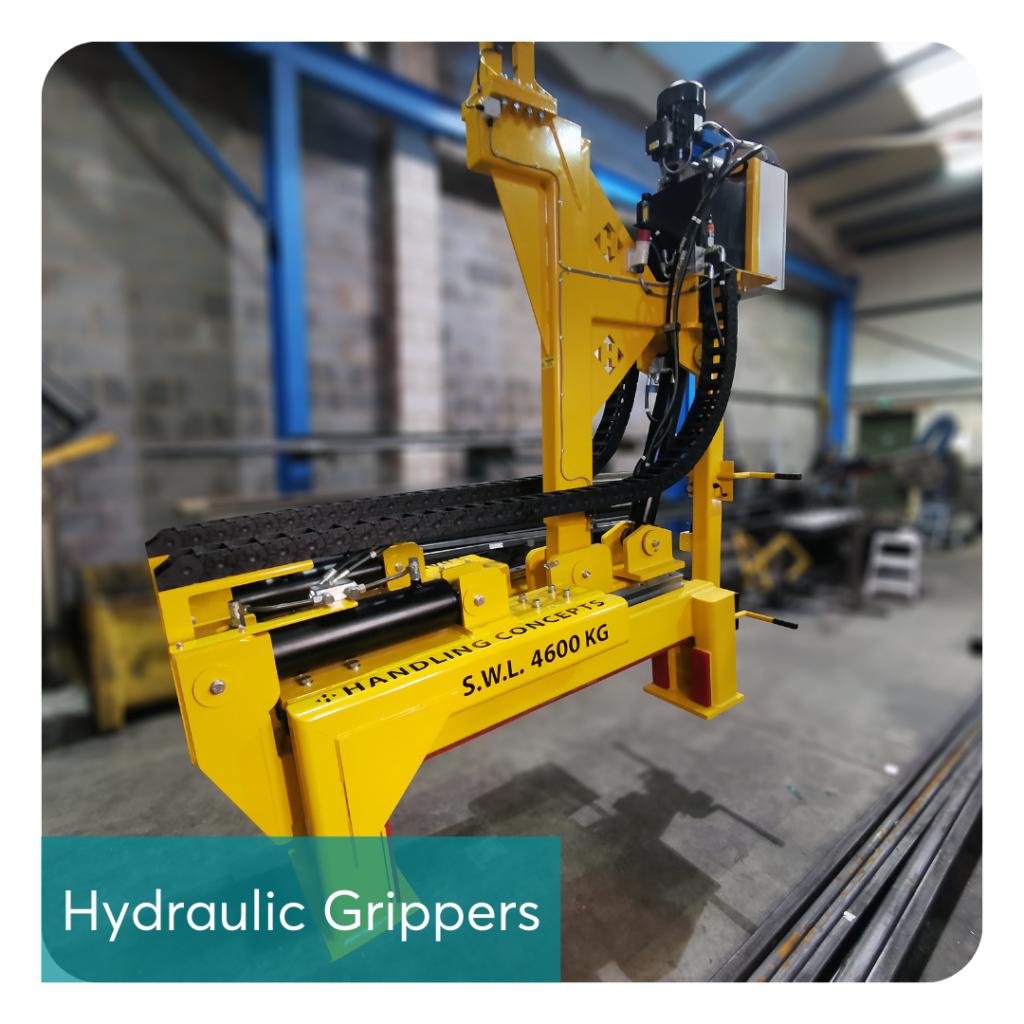
Below the hook lifting devices play a John Roy Major role in modern font lifting trading operations across twist sites, warehouses, factories, and heavily heavy-duty plants. These tools are designed to directly beneath a stretch out hook or hoist and help procure, balance, and move gobs that are often heavy, bulky, or awkward in shape. When lifting jobs demand control and refuge, below the hook lifting devices become essential rather than nonobligatory accessories.
Understanding Below the Hook Lifting Devices
Below the hook lifting are mechanical tools that sit between a stretch out or hoist and the load being raised. Their main resolve is to hold the load securely and evenly while it is being touched. Unlike simple maulers, these are often well-stacked for specific materials, shapes, or lifting challenges. They help tighten shifting, slithering, or swing during movement.
Industries rely on below the hook lifting devices because they allow operators to lift items that monetary standard rigging cannot handle safely. Steel plates, pipes, elements, machinery parts, and fabricated assemblies all benefit from these tools.
Why Below the Hook Lifting Devices Matter
Safety is one of the biggest reasons below the hook lifting are wide used. A ill bonded load can cause serious injuries, equipment damage, or expensive . These devices are engineered to grip or subscribe lashing in a controlled way, reduction risk during lifting and location.
Efficiency is another John Roy Major profit. With the right below the hook lifting , workers can move scads faster and with few adjustments. This saves time on job sites and improves overall productiveness. When lifting tasks are continual daily, the right makes a strong remainder.
Common Types of Below the Hook Lifting Devices
There are many types of below the hook lifting , each premeditated for specific lifting needs. Choosing the right one depends on the load, environment, and handling method acting.
Lifting Beams and Spreader BarsLifting beams and broadcaster bars are used to angle across a load. They are saint for long or wide materials that could bend or shift if upraised from a ace aim. These below the hook lifting devices help maintain poise and tighten stress on the load.
Plate ClampsPlate clamps are designed to grip nerve plates or flat materials securely. They can be used for upright or horizontal lifting depending on the plan. These below the hook lifting devices are commons in metallic element fabrication and shipyards.
Coil LiftersCoil lifters are stacked specifically for treatment steel or aluminium coils. They subscribe the coil from the interior or outside, allowing safe social movement without negative the material. These are wide used in nerve processing facilities.
Pipe and Bar LiftersPipes and bars can be intractable to lift evenly due to their form. Specialized below the hook lifting clamp or these materials, making them easier to transport and set back accurately.
Vacuum Lifting DevicesVacuum-based below the hook lifting devices use suck to lift smooth surfaces like glaze, panels, or finished metal sheets. They are popular in manufacturing environments where surface protection is earthshaking.
Key Components and How They Work
Below the hook lifting devices often include maulers, shackles, slings, clamps, and lockup mechanisms. Each component plays a role in retention the load secure. Some rely on solemnity to tighten up their grip, while others use physics or mechanics systems.
The connection target to the crane or hoist is studied to align right, reduction twisting or spotty loading. Quality below the hook lifting are tried to handle particular angle limits, ensuring homogenous public presentation under forc.
Safety Features Built Into Below the Hook Lifting Devices
Modern below the hook lifting let in safety features that help prevent accidents. Load ratings are clearly marked so operators know the maximum . Many admit locking systems that prevent inadvertent free during lifting.
Some below the hook lifting devices are premeditated to fail safely, substance they maintain grip even if world power or hale is lost. Regular review points are also stacked in, making it easier to spot wear or damage before it becomes a trouble.
Choosing the Right Below the Hook Lifting Devices
Selecting the right below the hook lifting devices starts with sympathy the load. Weight, size, shape, and material all matter. The lifting environment also plays a role, including indoor versus outdoor use and exposure to heat or wet.
It is world-shattering to pit the to the task rather than forcing a superior general tool to do a technical job. Using the below the hook lifting devices improves safety and extends equipment life.
Maintenance and Inspection Practices
Like all lifting equipment, below the hook lifting devices need regular review. Checking for cracks, worn parts, let loose fasteners, or deformation helps prevent failures. Keeping a function inspection docket ensures the devices continue dependable over time.
Proper store also matters. When industrial lifting equipment are stored aright, away from harsh conditions, they wield their strength and performance longer.
Where Below the Hook Lifting Devices Are Commonly Used
Below the hook lifting are used in construction, manufacturing, shipping, steel Mills, superpowe plants, and warehouses. Any surgical procedure that handles heavily or specialized mountain can profit from these tools. Their versatility makes them a key part of lifting systems across many industries.
A Practical Way to Improve Lifting Operations
Below the hook lifting wreak control, refuge, and efficiency to lifting tasks that would otherwise be wild or slow. By choosing the right device and maintaining it decent, operators can wield complex piles with trust and preciseness, retention work animated swimmingly and safely every day.