
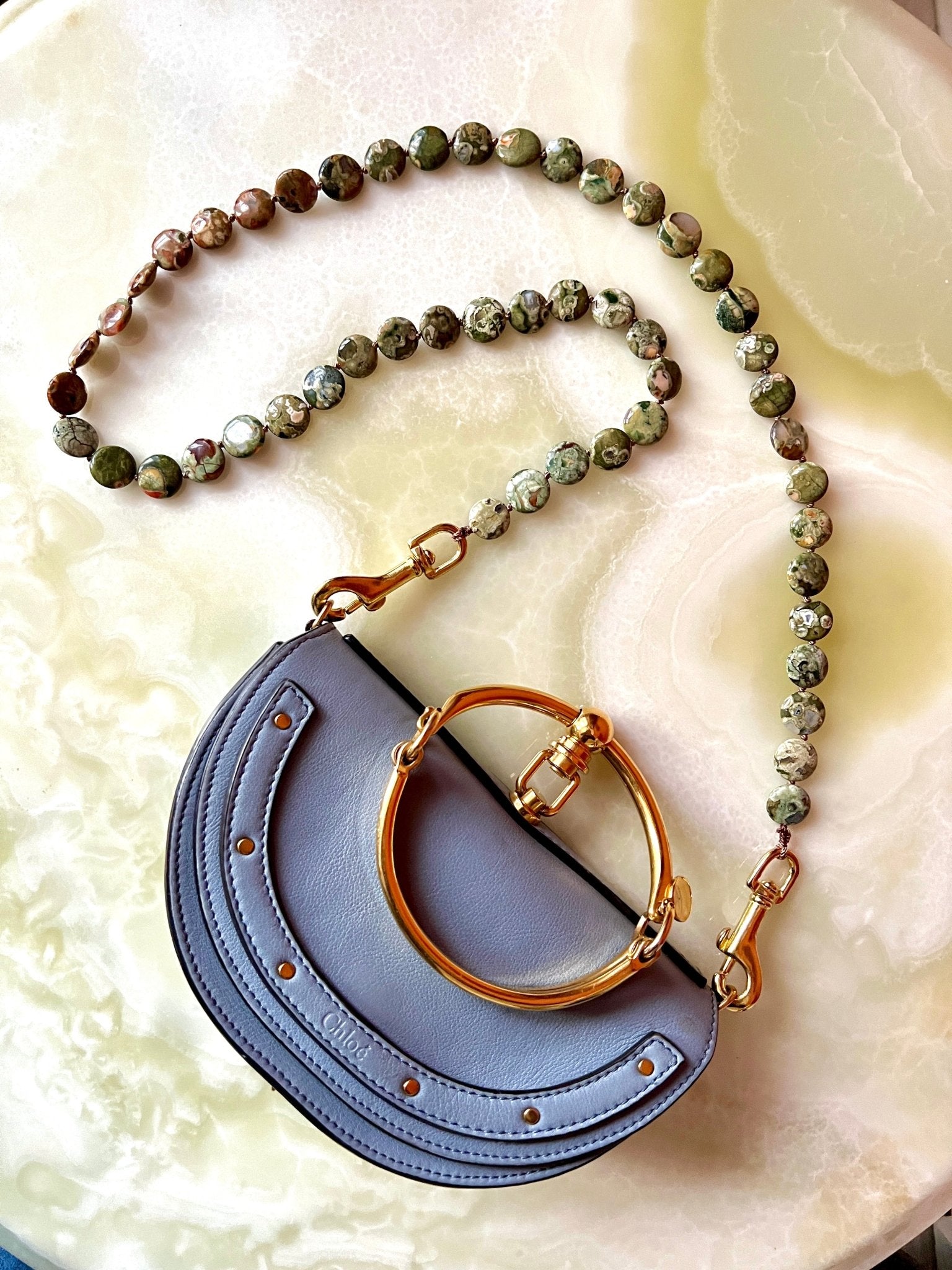
Acha. Jewellery Designer Secrets: From Concept to Collection is a travel that begins long before a gem is set or a outline is finalized. For a jewelry designer, inspiration can come from anywhere nature, architecture, emotions, perceptiveness symbols, or even a momentaneous second in mundane life. The first paragraph of any originative process is reflexion, where ideas are quietly concentrated and stored. Designers trail their eyes to note textures, colors, and forms, translating hook feelings into seeable concepts that will later develop into wear art opal gemstone jewellery.
Once stirring takes shape, the designer moves into conceptual development. This present involves purification raw ideas into a visual sensation, often through mood boards, rough sketches, and scripted notes. The goal is not paragon but . Designers experiment with silhouettes, proportions, and themes, allowing the concept to suspire and grow. At this point, creativity is balanced with practicality, as the designer must consider wearability, comfort, and the intended audience while staying true to the master copy artistic activate.
Sketching is where imagination begins to meet social structure. Hand-drawn sketches or whole number illustrations help metamorphose thoughts into seeable designs. Lines become more surefooted, details more debate, and the overall personal identity of the piece starts to emerge. Designers may produce four-fold versions of the same idea, adjusting like stone positioning or metal thickness. This iterative aspect process is a enigma many eminent designers hug, sympathy that refinement is key to creating a dateless piece rather than rush toward completion.
Material survival of the fittest is another crucial step from concept to ingathering. Choosing the right metals, gemstones, and finishes can dramatically regard the final examination outcome. Designers must understand the properties of each stuff, from durability to tinge behaviour under different light. Ethical sourcing and sustainability are progressively prodigious considerations, influencing how and where materials are obtained. A well-chosen stone or metallic element not only enhances ravisher but also adds substance and value to the design.
After materials are chosen, the plan enters the technical stage. This involves creating elaborate specifications or CAD models that guide the product process. Precision is requisite here, as even tike errors can affect the balance or lastingness of a piece. Designers often get together nearly with adept artisans or manufacturers, translating creator vision into technical world. Communication and bank play a life-sustaining role, ensuring that the final exam patch corpse faithful to the original concept.
Prototyping is where the plan truly comes to life. A try piece is created to test proportions, console, and overall esthetics. This stage often reveals unexpected challenges, suggestion further adjustments. Successful designers view prototypes not as final exam products but as erudition tools. Each revision brings the piece closer to paragon, ensuring it meets both creator and utility standards before moving into full production.
When a collection is set, storytelling becomes just as large as plan. Presenting a ingathering involves conveying its stirring, craft, and feeling rapport to the audience. Whether through photography, exhibitions, or whole number platforms, designers minister an see that allows customers to with the pieces on a deeper level. A strong tale transforms jewellery from an accessory into a subjective command.
From concept to collection, the secrets of a jewellery intriguer lie in solitaire, wonder, and dedication to craft. Every stage builds upon the last, creating a unlined flow from stirring to destroyed patch. Behind every solicitation is a account of exploration, refining, and rage, reminding us that jewelry is not just made it is thoughtfully imaginary, cautiously formed, and in the end brought to life through productive visual sensation.