
When shopping through pakistani girl dress online shopping, fabric is one of the most important details to understand before choosing an outfit. A beautiful design may attract attention, but the right fabric determines how comfortable, practical, and suitable the dress will be. Pakistani clothing includes many fabrics, from lightweight lawn and cotton to elegant silk, chiffon, velvet, and organza. Each material has its own texture, season, appearance, and care requirements.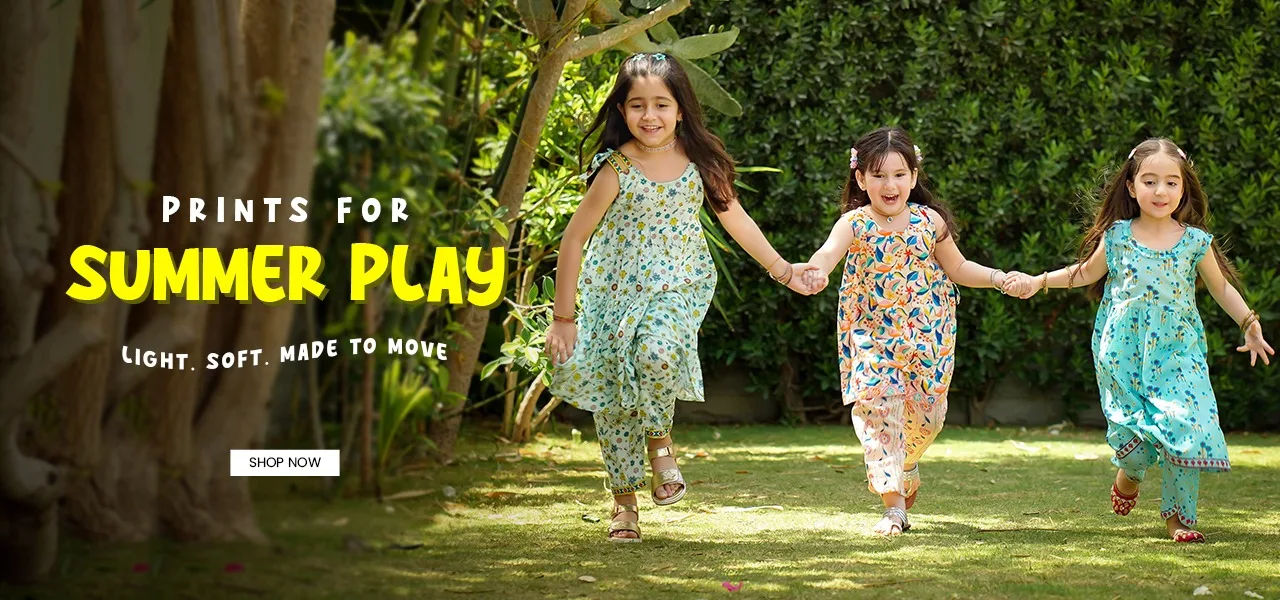 A good fabric guide should help parents, teenagers, and shoppers understand these differences without making the subject complicated. It should explain how fabrics feel, where they are normally worn, how they behave in different weather conditions, and which materials work best for casual, festive, or formal occasions.
Whether you are buying everyday clothing, Eid outfits, wedding dresses, or party wear, knowing the fabric can make the shopping experience easier. This guide explains the major points a useful Pakistani girl dress fabric guide should cover.
Why Fabric Matters in Girls' Clothing
Fabric affects much more than the appearance of a dress. It influences comfort, movement, durability, breathability, and even how the finished outfit hangs on the body.
Girls may spend several hours wearing an outfit at school events, family gatherings, weddings, birthday parties, or religious celebrations. A fabric that looks attractive but feels uncomfortable can quickly become a problem.
For children especially, comfort should not be overlooked. Active girls need materials that allow them to move, sit, walk, and play comfortably.
Comfort and Skin Feel
Some fabrics feel soft and smooth against the skin, while others may feel stiff, rough, heavy, or slippery. A fabric guide should explain this difference in simple language.
Cotton, lawn, and soft blended materials are generally popular for comfortable everyday clothing. For formal outfits, fabrics such as chiffon, organza, and silk can create a sophisticated appearance, although they may require additional lining or careful construction.
Breathability
Breathability is particularly important in Pakistan because summers can be extremely hot. Fabrics that allow air to circulate can make clothing much more comfortable.
Lawn and lightweight cotton are common choices for warm weather. Heavier materials such as velvet are generally more appropriate for cooler months.
Understanding Common Pakistani Dress Fabrics
A comprehensive guide should introduce shoppers to the fabrics they are most likely to encounter when buying girls' clothing.
Lawn
Lawn is one of the most popular fabrics for Pakistani summer clothing. It is lightweight, comfortable, and usually easy to wear.
Printed lawn dresses are especially common for casual and semi-formal outfits. Girls can wear lawn suits for everyday activities, family visits, summer gatherings, and Eid celebrations.
Because lawn is relatively light, it can also be paired with different types of embroidery and printed designs.
Cotton
Cotton is another practical option for girls. It is comfortable, breathable, and suitable for regular wear.
Cotton dresses can work well for school-related activities, casual family occasions, and warm weather. Depending on its weave and weight, cotton can range from very lightweight to relatively substantial.
A fabric guide should explain that not all cotton feels exactly the same. The quality, weave, and finishing can affect softness and durability.
Chiffon
Chiffon is a lightweight and flowing fabric often associated with formal Pakistani clothing. It is commonly used for dupattas, sleeves, overlays, and decorative elements.
Its delicate appearance makes it suitable for weddings and festive occasions. However, chiffon can require more careful handling than everyday fabrics.
When shopping online, buyers should check whether the chiffon is intended for the main dress, dupatta, or decorative layer.
Organza
Organza has a crisp and slightly structured appearance. It is frequently used in formal and festive Pakistani outfits.
An organza dupatta can make a simple dress look more elaborate. It can also be used for sleeves, borders, panels, and other details.
Because organza can be somewhat stiff, it may not always be the most comfortable option for an entire outfit, particularly for very young children.
Silk
Silk is known for its smooth texture and luxurious appearance. It can be used in formal dresses, wedding outfits, and traditional festive clothing.
Different types of silk can have very different characteristics. Some are lightweight and fluid, while others are thicker and more structured.
A good guide should encourage shoppers to consider the exact type of silk rather than assuming every silk fabric behaves in the same way.
Velvet
Velvet is a warm, rich-looking fabric that is particularly popular for winter weddings and formal events.
Its soft surface and heavier weight give dresses an elegant appearance. Velvet can work beautifully with embroidery, embellishments, and traditional designs.
However, it can be too warm for summer events. Seasonal suitability should therefore always be considered.
Choosing Fabric According to the Season
One of the most useful sections of a fabric guide should explain seasonal selection.
Summer Fabrics
During hot weather, lightweight and breathable fabrics are generally more comfortable. Lawn, cotton, and other airy materials are popular choices.
Bright prints and lighter colors are also frequently associated with summer wardrobes.
Parents shopping online should pay attention to the fabric description rather than selecting an outfit based only on its photograph.
Winter Fabrics
Winter clothing can use warmer and heavier materials. Velvet, thicker cotton, wool blends, and other insulating fabrics can provide additional warmth.
Layering can also make a dress more practical. A lighter dress may become suitable for cooler weather when paired with a warm shawl, cardigan, or appropriate inner layer.
Transitional Weather
Spring and autumn can be more flexible. Medium-weight cotton, blended fabrics, and lightweight formal materials can work depending on the temperature.
The event location also matters. An outdoor wedding may require different fabric choices from an indoor event.
Fabric Selection for Different Occasions
A fabric guide should not simply describe materials. It should explain when each type is most appropriate.
Everyday Wear
For everyday clothing, comfort and easy maintenance usually matter more than elaborate appearance.
Cotton and lawn are practical options because they are generally comfortable and suitable for regular use.
Simple prints, modest embroidery, and easy-to-wash fabrics can help parents build a useful everyday wardrobe.
Eid Clothing
Eid outfits can be more decorative while still remaining comfortable.
Lawn, cotton, chiffon, organza, and blended fabrics can all be used depending on the design and weather.
For a daytime Eid gathering in summer, a heavy fabric may feel uncomfortable. For a winter celebration, richer materials can be more suitable.
Wedding Dresses
Wedding clothing usually requires more attention to appearance and detailing.
Silk, chiffon, organza, velvet, jacquard, and embroidered fabrics can all be used in wedding outfits.
However, girls' wedding clothing should still allow reasonable movement. Excessively heavy embroidery or uncomfortable fabric can make a long event difficult.
Party Wear
Party dresses can combine comfort with decorative details. Fabrics with embroidery, lace, sequins, beads, or layered designs can create a special appearance.
The guide should explain that embellishment and fabric are separate considerations. A lightweight base fabric can become heavy after extensive decoration.
Understanding Fabric Weight
Fabric weight is another important factor that shoppers should understand.
A lightweight material generally feels airy and may be easier to wear during warm weather. Medium-weight fabrics provide greater structure, while heavy fabrics can create a rich and formal appearance.
Weight also affects movement.
For young girls, particularly those who enjoy running and playing, extremely heavy dresses may not be practical. A formal outfit can still look beautiful without being excessively heavy.
Lining and Transparency
Some Pakistani dress fabrics are naturally sheer or semi-transparent. A useful guide should explain the importance of lining.
Chiffon and organza, for example, may require an appropriate inner layer depending on how they are being used.
Online shoppers should check product descriptions carefully to see whether lining is included. If the description is unclear, asking the seller before purchasing can prevent disappointment.
Fabric and Dress Construction
The same fabric can look completely different depending on how a dress is constructed.
A flowing fabric may create a soft silhouette, while a structured material may produce a more defined shape.
Embroidery, pleats, gathers, borders, lace, and layered panels can also change how a material behaves.
Stitching Quality
Fabric quality alone does not guarantee a good dress. Stitching and finishing are equally important.
A fabric guide should encourage shoppers to examine seams, hems, neckline finishing, sleeves, and decorative attachments whenever product photographs make these details visible.
For children's clothing, secure stitching is particularly useful because active movement can place additional stress on seams.
What Online Shoppers Should Check
Shopping online requires more attention because buyers cannot physically touch the fabric before purchasing.
A good guide should explain what information to look for in an online product listing.
Read the Fabric Description
Look for details such as:
-
Main fabric
-
Dupatta fabric
-
Trouser or shalwar fabric
-
Lining
-
Embroidery
-
Embellishments
-
Fabric weight
-
Seasonal suitability
-
Care instructions
A photograph can show color and design, but it cannot reliably communicate texture or weight.
Check Product Reviews
Customer reviews can provide useful information about how the fabric performs in real life.
Reviews may mention whether a fabric feels soft, whether the color matches the photograph, whether the dress is comfortable, or whether the material requires special care.
When several customers mention the same issue, it is worth considering before placing an order.
Confirm Measurements
Fabric choice does not replace accurate sizing.
A dress should provide enough room for comfortable movement without being excessively loose. When buying online, compare the seller's measurement chart with the child's current measurements.
This is especially important because sizing can differ between brands.
Fabric Care and Durability
A comprehensive fabric guide should explain that every material has different care requirements.
Cotton and lawn are often relatively easy to maintain, while delicate fabrics may require gentler washing or professional cleaning.
Embellished dresses may need additional care because beads, sequins, embroidery, or decorative threads can become damaged during rough washing.
Always follow the manufacturer's care instructions when available.
Washing
Before washing a new dress, check whether the label recommends machine washing, hand washing, dry cleaning, or another method.
Cold or mild washing may help protect certain fabrics and colors, but the correct method depends on the specific material.
Drying and Storage
Some fabrics should not be exposed to excessive heat. Others may need careful hanging or folding to avoid permanent creases.
Formal dresses should ideally be stored in a clean, dry place where embroidery and embellishments will not be crushed.
Matching Fabric With Age and Activity
A Pakistani girl dress fabric guide should also consider the child's age and lifestyle.
Young children often need clothing that allows movement and does not contain uncomfortable or overly complicated construction.
Older girls may prefer more sophisticated fabrics and designs, especially for weddings, Eid, and other celebrations.
The most attractive fabric is not necessarily the best choice when pakistani girl dress online shopping if the girl cannot comfortably wear it for several hours.
How Budget Influences Fabric Choice
Price is another important consideration.
Premium fabrics and extensive embellishments can increase the cost of an outfit. However, expensive clothing is not automatically more comfortable or durable.
For everyday wear, investing in practical fabrics can provide better value because the clothes are likely to be worn frequently.
For special occasions, shoppers may choose a more decorative material because the outfit will be worn less often.
A sensible fabric guide should therefore explain value rather than simply recommending the most expensive materials.
Common Fabric Shopping Mistakes
Understanding common mistakes can help shoppers make better decisions.
One mistake is choosing a dress entirely from its photograph. Lighting, filters, and photography can change how a fabric appears.
Another mistake is ignoring the weather. A beautiful velvet outfit may not be comfortable at a summer event.
Some shoppers also overlook transparency and lining requirements.
Another issue is failing to consider maintenance. A dress that requires complicated care may not be practical for frequent use.
Finally, shoppers sometimes focus heavily on appearance and forget whether the child will actually feel comfortable wearing the outfit.
Creating a Practical Fabric Wardrobe
A balanced wardrobe does not need dozens of different materials.
A few comfortable everyday fabrics can cover regular needs, while several formal options can handle weddings, Eid, birthdays, and family celebrations.
For summer, breathable materials such as lawn and cotton can form the foundation of a girl's wardrobe.
For winter, warmer materials such as velvet and heavier blends can be added.
A few chiffon or organza pieces can provide variety for festive occasions.
Conclusion
A useful Pakistani girl dress fabric guide should do more than name different materials. It should explain how fabrics feel, how they behave, when they are suitable, and how they should be maintained. These details help shoppers make decisions based on comfort, season, occasion, age, activity level, budget, and durability.
For anyone involved in pakistani girl dress online shopping, understanding fabric is particularly valuable. Online photographs can show colors, embroidery, and overall design, but they cannot fully communicate softness, weight, breathability, or texture. Reading the fabric description, checking measurements, reviewing customer feedback, and confirming lining and care requirements can make the purchasing process much more reliable.
The best fabric is ultimately the one that suits the purpose of the dress. A lightweight lawn outfit may be perfect for a hot summer day, while velvet can be more appropriate for a winter wedding. Chiffon and organza can add elegance to festive clothing, while cotton remains a practical choice for comfortable everyday wear.
When fabric, design, construction, and comfort are considered together, choosing Pakistani girls' clothing becomes much easier. A thoughtful fabric guide gives shoppers the knowledge they need to select outfits that not only look beautiful but also feel comfortable and remain useful long after the special occasion has ended.