A Yard-Side Lesson for Big Battery Lines
I was standing by a cold dock when a pallet jam cost us half a shift. This automotive battery pack work ain’t forgiving when the line hiccups. One small stall turned into rework, overtime, and a batch sitting warm while folks argued over torque logs. We measured the drift: less than a millimeter, but the scrap rate doubled for that hour. A line manager told me that even a 1% slip in stack alignment can snowball into five times the touch-ups. And guess who pays for that? (Everybody.) The question is simple: if your stack isn’t true, how do you expect the tabs to weld clean, the BMS to read steady, and the pack to run cool — funny how that works, right?

Now, I reckon some of y’all run fine with a patched process. But the data keeps piling up, and it ain’t pretty. Misplaced compression leads to hot spots. Off-center tabs throw sparks. Rework drifts into night shift while the clock eats margin. So, what part of the stack is doing you wrong, and what can fix it without breaking the farm? Stick with me; we’ll step into the heart of the cell line next.
Under the Hood: Why Traditional Stacking Trips You Up
Why do legacy lines fall short?
Here’s the technical bit. A modern line leans on a cell automatic stacking station to place each layer with tight control. Older setups mix manual jig tweaks with timed feeders. They creep. Drift shows up as micro misalignment, uneven compression, and fuzzy tab location. Vision alignment is often bolted on, not built in. So the camera sees the cell, but the motion stage can’t correct fast enough. That breaks the loop. Then torque control is open-loop or based on time, not force feedback. You feel it in weld quality and pack impedance. Thermal runaway risk? It rises when gaps and pressure vary (and yes, that tiny gap matters). Look, it’s simpler than you think: the station is a stack of small control wins. If any are weak, the whole thing leans.
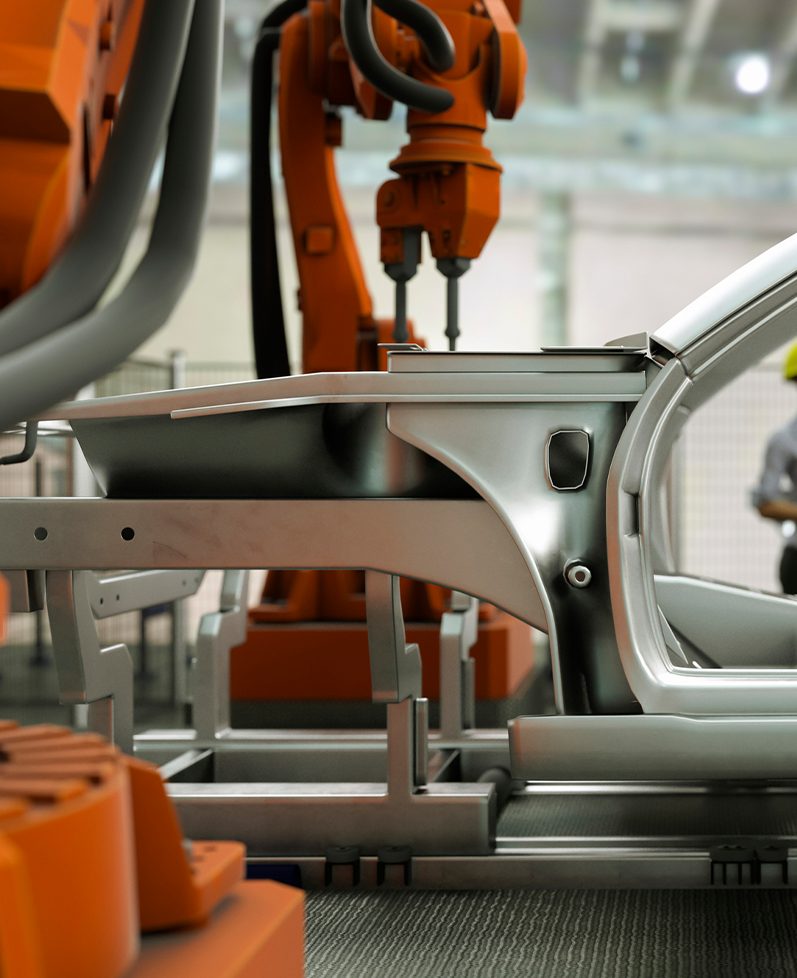
Hidden pain points keep biting. Operators babysit offset errors that a closed-loop servo should catch. PLC logic logs events but not root causes; the MES can’t trace each leaf of the stack. Tab welding drifts because the prior step left tabs shy by a hair. Scrap spikes when humidity shifts the separator curl. And calibration? It waits for a PM window while defects stack up. You don’t see the cost until OEE drops below target and cycle time stretches. That’s the old way. The better route ties sensing to motion at millisecond pace, so the line fixes itself before you even notice.
Forward-Looking: Principles That Shift the Baseline
What’s Next
New lines change the rules by tightening the loop. A next-gen cell automatic stacking station blends vision alignment with force and displacement sensors on the same control clock. Edge computing nodes sit close to the actuators. They fuse signals, predict drift, and nudge the stage in real time — not after the fact. The result is simple: cells land square, stack compression stays uniform, and tabs line up for clean welds. Cycle time drops without rushing. Energy goes where it should, so power converters stop seeing the ripple that bad stacks cause. And the MES gets full traceability, leaf by leaf, layer by layer. It’s a quiet kind of control — and it’s not magic.
Let’s compare outcomes. Old lines fight symptoms, chasing offsets with late tweaks. The new approach prevents them by design. Closed-loop torque makes pressure even across the face. Vision doesn’t just see; it commands the servo. Data rides upstream, so your BMS model stays honest. You get fewer hot spots, steadier impedance, and better weld pull tests. Now, if you’re choosing gear, measure three things: First, alignment tolerance in microns at full speed, not just at demo pace. Second, verified cycle time per stack under mixed cell lots, including humidity swings. Third, traceability depth from PLC to MES, with part-level data you can audit on Monday morning — funny how the right data makes Friday night fixes disappear, right? If those three check out, the rest tends to fall in line, plain and simple. For folks wanting a deeper look at how these stations tie together across a full line, LEAD is a name you’ll run across.